
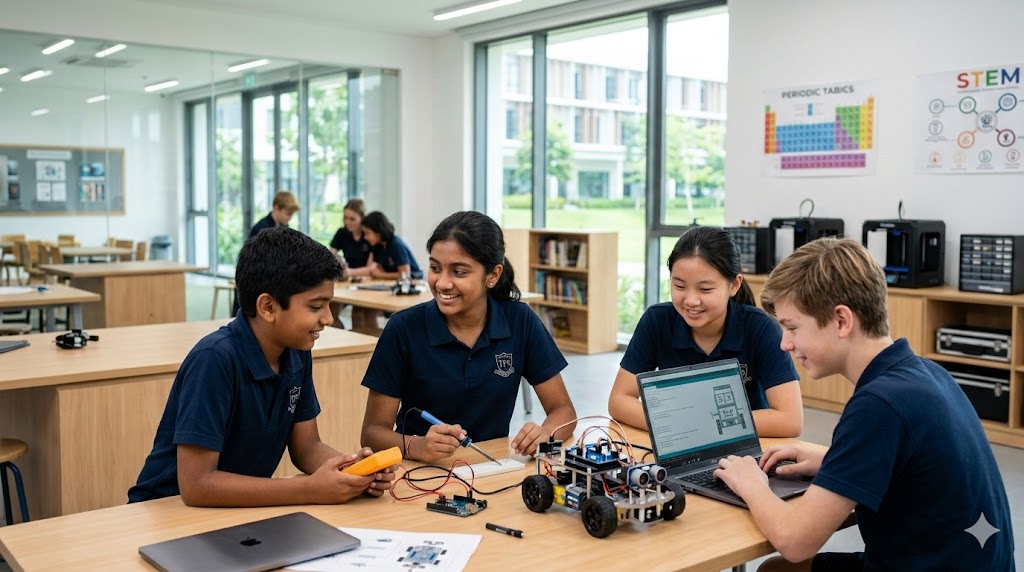
A positive school environment plays a vital role in the growth and development of students. When students feel safe, respected, and supported in their school, they are more likely to perform better academically and develop strong personal skills.
A healthy school environment encourages students to learn with curiosity and confidence. Classrooms that promote respect, cooperation, and open communication help students express their ideas freely. This kind of atmosphere motivates students to participate actively in learning activities.
Teachers also play a key role in creating a positive environment. Supportive and encouraging teachers help students overcome their fears and challenges. When teachers understand students’ strengths and weaknesses, they can guide them more effectively and inspire them to achieve their goals.
Another important aspect of a positive school environment is teamwork and friendship. Schools provide opportunities for students to interact with peers, build friendships, and learn the importance of cooperation. Group activities, projects, and extracurricular programs help students develop communication and leadership skills.
Schools that focus on both academic learning and personal development help students grow into confident individuals. Activities such as sports, arts, cultural events, and debates allow students to explore their talents and interests beyond the classroom.
Furthermore, a positive school culture promotes discipline, respect, and responsibility. These values help students become better citizens and prepare them for future challenges in life.
In conclusion, a positive school environment is essential for the overall development of students. It not only improves academic performance but also builds confidence, creativity, and strong character, helping students succeed in both education and life.